
This post has already been read 53 times!
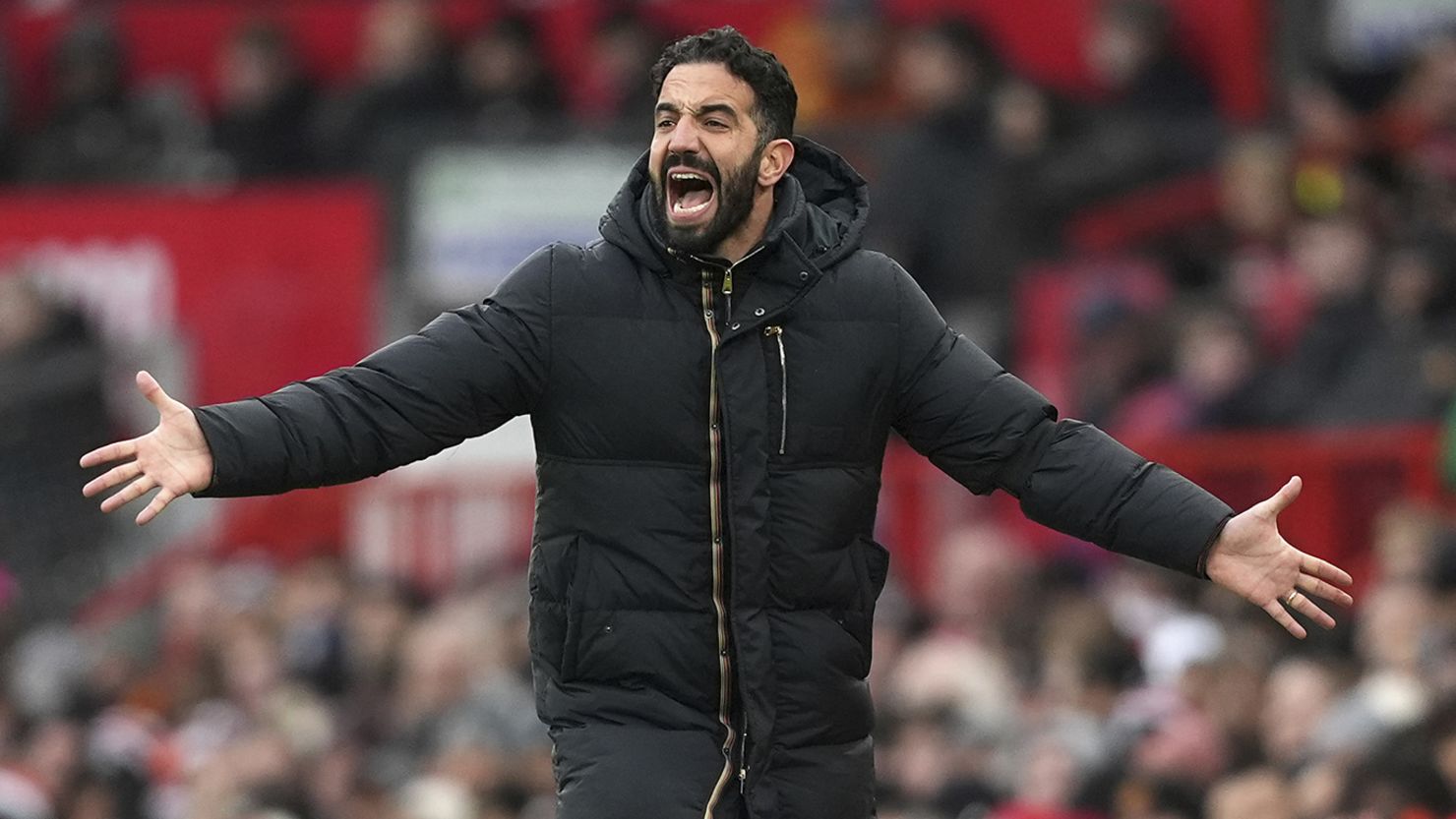
Manchester United have officially parted ways with head coach Ruben Amorim, bringing an end to a short and turbulent reign that promised much but ultimately failed to deliver consistent results or long-term stability.
Amorim arrived at Old Trafford with a strong reputation built on his success in Portugal, widely seen as a progressive coach capable of leading a new era at United. However, expectations quickly collided with reality as performances on the pitch remained inconsistent and results failed to match the club’s ambitions.
What went wrong?
Sources close to the club indicate that internal disagreements played a major role in the decision. Amorim was reportedly frustrated by limited influence over recruitment and long-term planning, while the club’s hierarchy grew concerned about results, league position, and public comments that hinted at unrest behind the scenes.
Despite moments of tactical clarity and improved structure, United struggled to build momentum in key fixtures. Dropped points against rivals and a lack of attacking fluidity increased pressure on the manager, making his position increasingly untenable.
A familiar pattern at Old Trafford
Amorim’s dismissal once again highlights Manchester United’s ongoing struggle to find the right balance between long-term vision and short-term results. Since Sir Alex Ferguson’s departure, the club has cycled through multiple managers, each with different philosophies, yet none have fully restored United to the summit of English football.
The latest sacking raises fresh questions about whether the club’s problems are rooted deeper than the dugout — in recruitment strategy, football structure, and overall leadership.
What happens next?
United are expected to appoint an interim manager while the search for a permanent replacement begins. Several high-profile names are already being linked with the role, but supporters will be hoping for more than just another change — they want a clear direction and a sustainable plan.
For Ruben Amorim, the setback is significant but unlikely to define his career. At just 40 years old, he remains one of Europe’s most highly rated coaches and is expected to return to management soon.
Final word
Amorim’s sacking feels less like an isolated failure and more like another chapter in Manchester United’s long-running identity crisis. Until the club aligns its vision from boardroom to pitch, even the most talented managers may continue to fall short.
Follow more football news, analysis, and match insights on xscore.co.ke.